Compartmentalizing and Lowering the Walls
The men who seem to have it all together are often the ones who have become so good at compartmentalizing that they no longer know how to let the walls come down.

The men who seem to have it all together are often the ones who have become so good at compartmentalizing that they no longer know how to let the walls come down.

If you’re worried that therapy means sitting in a room talking about feelings for an hour, you’re not alone. Good therapy starts where you are, not where someone else thinks you should be.

Sometimes the messages that shape us most are never spoken aloud. If your father rarely talked about emotions, encouragement, or love, you may have spent years creating explanations about yourself that were never actually true.
Many men spend years wondering why relationships feel difficult, why asking for help feels uncomfortable, or why they carry a constant pressure to handle everything alone. Sometimes the answers can be found in a relationship that wasn’t there when it was needed most.

When your partner asks, “How are you feeling?” do you suddenly feel the urge to talk about literally anything else? Changing the subject often means we as men don’t know how to stay present in a conversation that feels uncomfortable, vulnerable, or unfamiliar.

Sometimes the strongest reactions show up without a clear reason: just a body that won’t settle. Learn why that happens, and how understanding those signals can change the way you relate to anxiety, anger, and stress.

You don’t have to be falling apart to wonder if something isn’t right. If you’ve been asking yourself whether you “need” therapy, that question alone might signal it’s time to have a conversation.
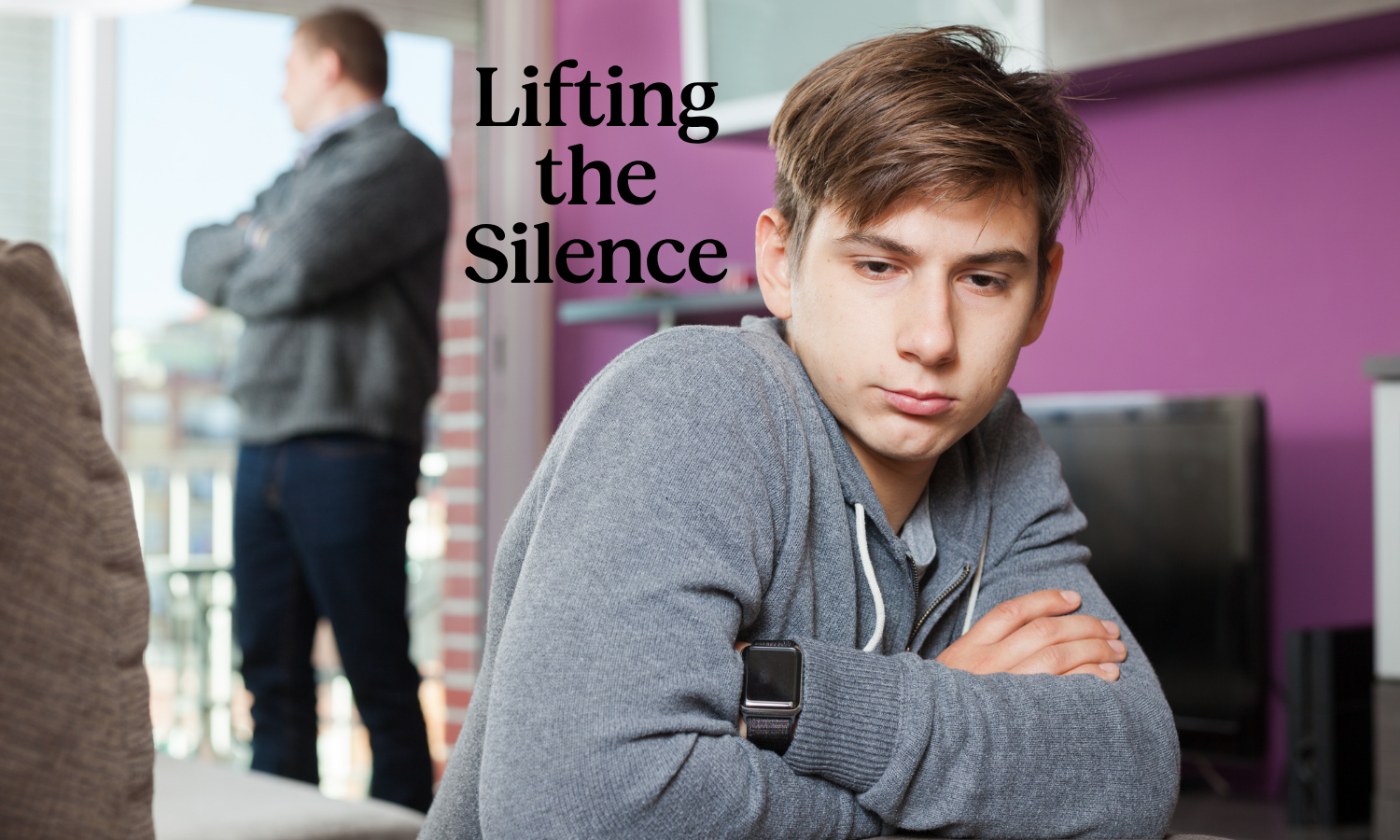
Silence is often protecting anger, overwhelm, or a heart that’s been hurt before. This piece breaks down why men and teen boys go quiet, and how to start speaking up in ways that feel safe.

What if the life you’ve been working so hard to build isn’t what you truly want or need?

“I don’t care” is something many men say, but often it’s a shield, not the truth. Sometimes the reason we say we don’t care is because we honestly care more than we want anyone to see.