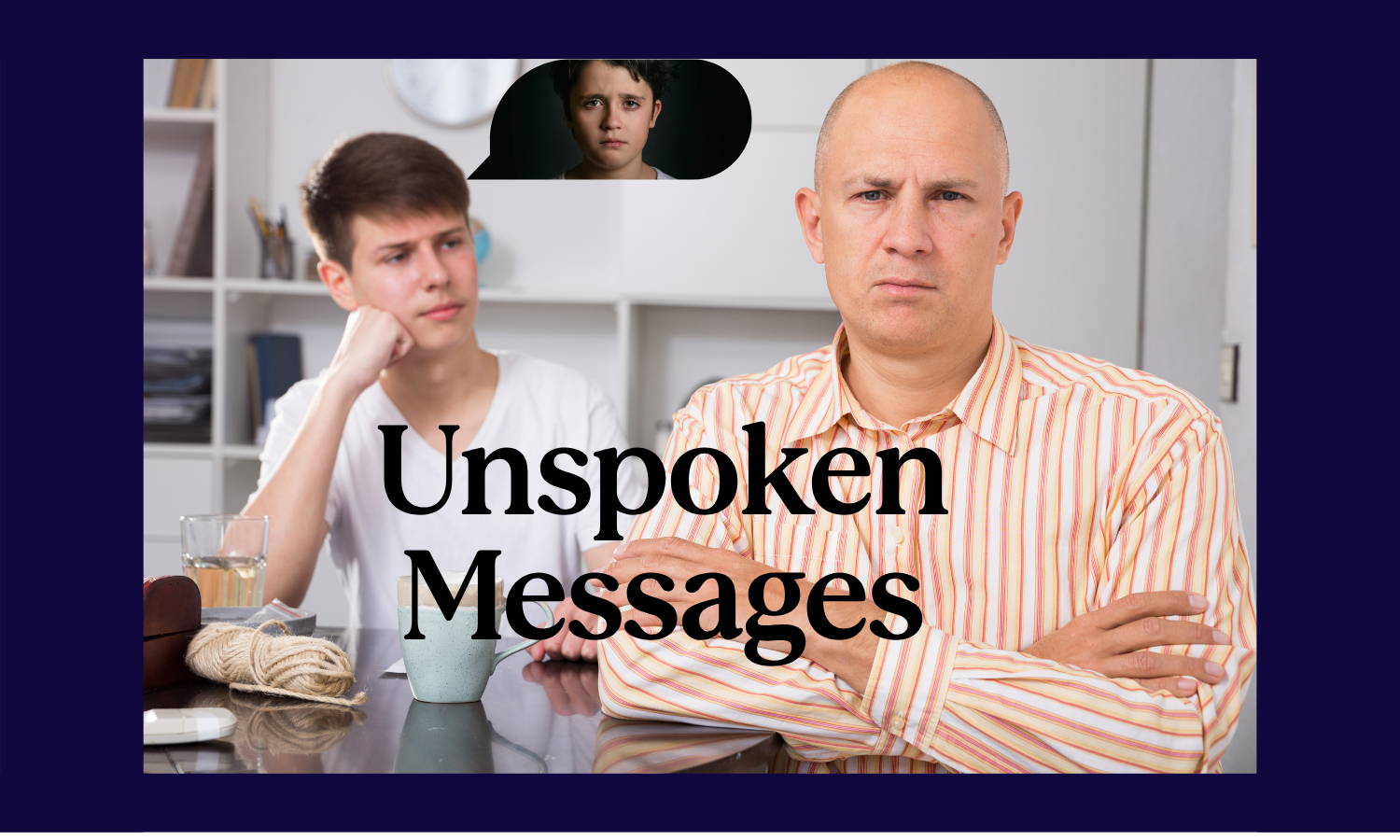
Father’s Day can bring up many different emotions for men. For some, it is a day of gratitude and celebration. For others, it can be a reminder of something that was missing. Even when a father was physically present, many men grew up learning lessons from silence rather than conversation. In some cases, what shaped us most wasn’t what our fathers said: it was what they didn’t say.
Dad’s Communication
Many men can easily remember rules, expectations, and practical advice their fathers shared. Work hard. Be responsible. Keep your word. But when it came to emotions, struggles, fears, disappointments, or affection, there may have been very little said at all. As children, we naturally try to make sense of what we experience. When there are gaps in understanding, we often fill them in ourselves.
Stories We Tell Ourselves
The challenge is that the stories we create are not always accurate. A father who struggled to express affection may have deeply loved his son but lacked the tools to show it. A father who rarely offered praise may have believed that hard work should speak for itself. A father who avoided emotional conversations may have been carrying wounds of his own. Yet as boys, we often interpret these experiences differently. We may conclude, “I’m not good enough.” “I don’t matter.” “My feelings are a burden.” “I have to figure everything out on my own.”
The Stories Endure
Those conclusions can quietly follow us into adulthood. They can shape our relationships, careers, self-esteem, and mental health. We may become highly independent but struggle to ask for help. We may achieve success but still feel like we’re chasing approval. We may find it difficult to trust others, express vulnerability, or believe we are worthy of care. Over time, these interpretations can become so familiar that they feel like facts.
Events & Their Meaning
One of the most powerful moments in counselling is when a man begins to separate what happened from the meaning he assigned to it. The event may be real, but the story attached to it may deserve another look. A father’s silence does not automatically mean you were unlovable. A lack of encouragement does not prove you were inadequate. An emotionally unavailable parent does not determine your value as a person.
Challenging the Narrative
A helpful question I often invite men to consider is: “What is the story I’m telling myself?” Once that story becomes visible, we can begin examining it with curiosity rather than accepting it as truth. What evidence supports it? What evidence challenges it? Are there alternative explanations for what happened? If a close friend shared the same story, would you interpret it the same way, or would you offer him more compassion than you offer yourself?
Modifying the Narrative
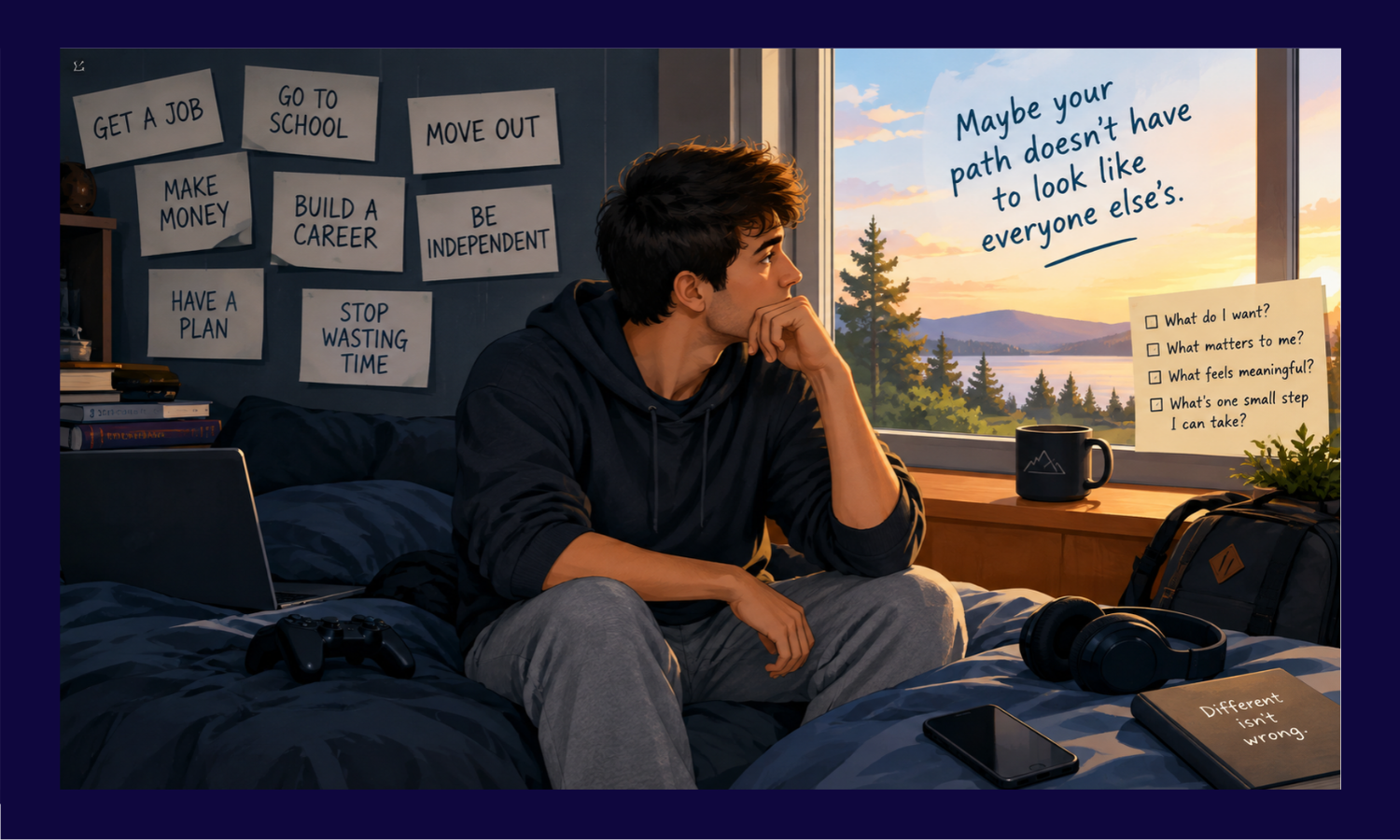
Rewriting the story does not mean denying difficult experiences or excusing harmful behaviour. It means allowing room for a more balanced and accurate understanding. Instead of “I wasn’t worth loving,” the story may become, “My father struggled to express love in ways I needed.” Instead of “My feelings don’t matter,” it may become, “My feelings weren’t acknowledged, but they still matter.” Instead of “I have to carry everything alone,” it may become, “I learned independence early, but I can learn connection now.”
Time for Reflection
This Father’s Day, whether your relationship with your father was close, distant, complicated, or painful, consider taking some time to reflect on the lessons you learned from what wasn’t said. Ask yourself which stories still influence how you see yourself today. Some of those stories may have helped you survive difficult seasons. Others may no longer serve you.
The Role of Counselling
You do not have to remain confined to conclusions that were formed by a younger version of yourself. The stories we carry can be examined, challenged, and rewritten. Counselling provides a space to do exactly that: not by changing the past, but by helping you develop a clearer, more compassionate understanding of yourself in the present. Sometimes healing begins when we discover that the story we’ve been living by was never the whole story.