Anger Isn’t the Whole Story
For some young men, anger can feel like the emotion that takes over everything. A disagreement becomes an argument. Frustration becomes rage. A situation that might seem small to someone else can feel impossible to control. Sometimes that anger can come with an urge to punch something, break something, threaten someone, or hurt another person. I like to call this “hulking out.”
Anger itself isn’t the problem. Anger is a normal human emotion. It can tell us that something feels unfair, threatening, painful, or out of our control. The concern is what happens when anger becomes our primary or only way of responding to difficult emotions.
What Might Be Underneath?
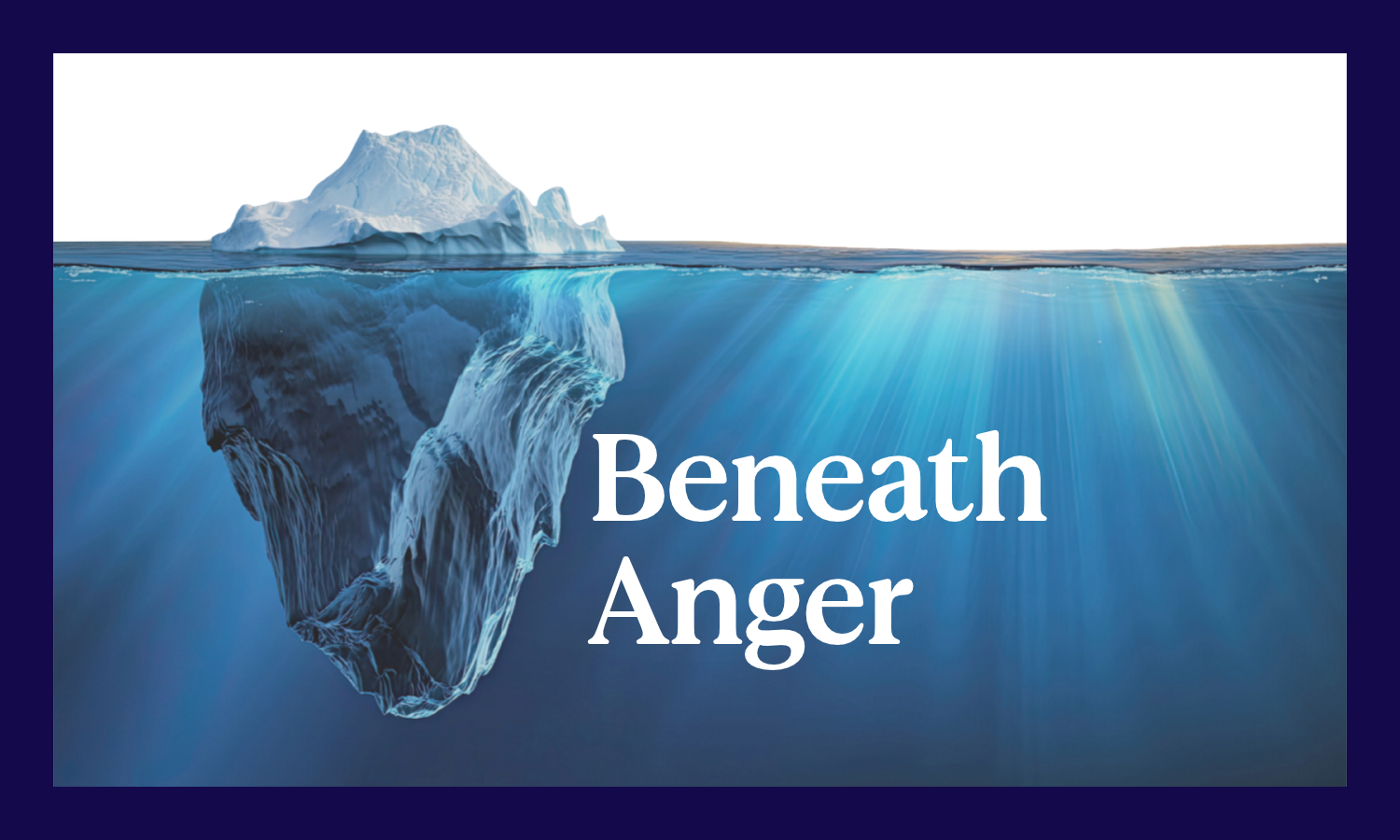
Anger can sometimes be easier to feel than other emotions. It can feel more powerful than sadness, fear, shame, loneliness, rejection, or disappointment. For some men, anger may have become a kind of emotional armour: something that protects us from feelings we don’t know how or want to show.
Think about what happens when someone says, “I’m hurt,” compared with, “I’m pissed off.” The second might feel more familiar. More acceptable. Maybe even more masculine. However, if we only recognize the anger, we can miss the message underneath it. Sometimes the question isn’t simply, “Why am I so angry?” but “What is my anger trying to protect me from feeling?”
Being in Control Doesn’t Mean Never Getting Angry
Learning to regulate your emotions doesn’t mean becoming passive, emotionless, or someone who simply lets people walk all over you. It means having more choices in how you respond.
You can be angry without becoming aggressive. You can feel disrespected without threatening someone. You can be hurt without turning that hurt into violence. You can recognize that something isn’t fair without letting the emotion make every decision for you.
Emotional regulation gives you the space between feeling something and doing something. That space matters.
If you notice yourself getting to the point where you might hurt someone, create distance from the situation and prioritize safety. Leave the room, put down whatever you’re holding, avoid driving while highly agitated, and reach out to someone you trust. If you believe you may seriously hurt yourself or someone else, seek immediate professional or emergency support.
Learn the Whole Emotional Vocabulary
One of the most useful things you can do is become more curious about your emotions. When you feel yourself getting worked up, try asking: What else am I feeling right now? Perhaps it’s embarrassment, fear, rejection, grief, jealousy, powerlessness, loneliness, or disappointment.
You don’t have to like the emotion. You don’t have to agree with what triggered it. You simply need to recognize what is happening inside you. The more accurately you can identify your emotions, the more options you have for responding to them.
You Don’t Have to Figure It Out Alone
If anger regularly gets you into fights, damages relationships, scares people you care about, or leaves you feeling out of control, it may be worth talking with a mental health professional. Therapy is an opportunity to understand where your reactions come from, recognize the emotions underneath them, and develop healthier ways of managing intense feelings.
You don’t have to get rid of your anger. You can learn to understand it and make sure you are the one deciding what you do with it.