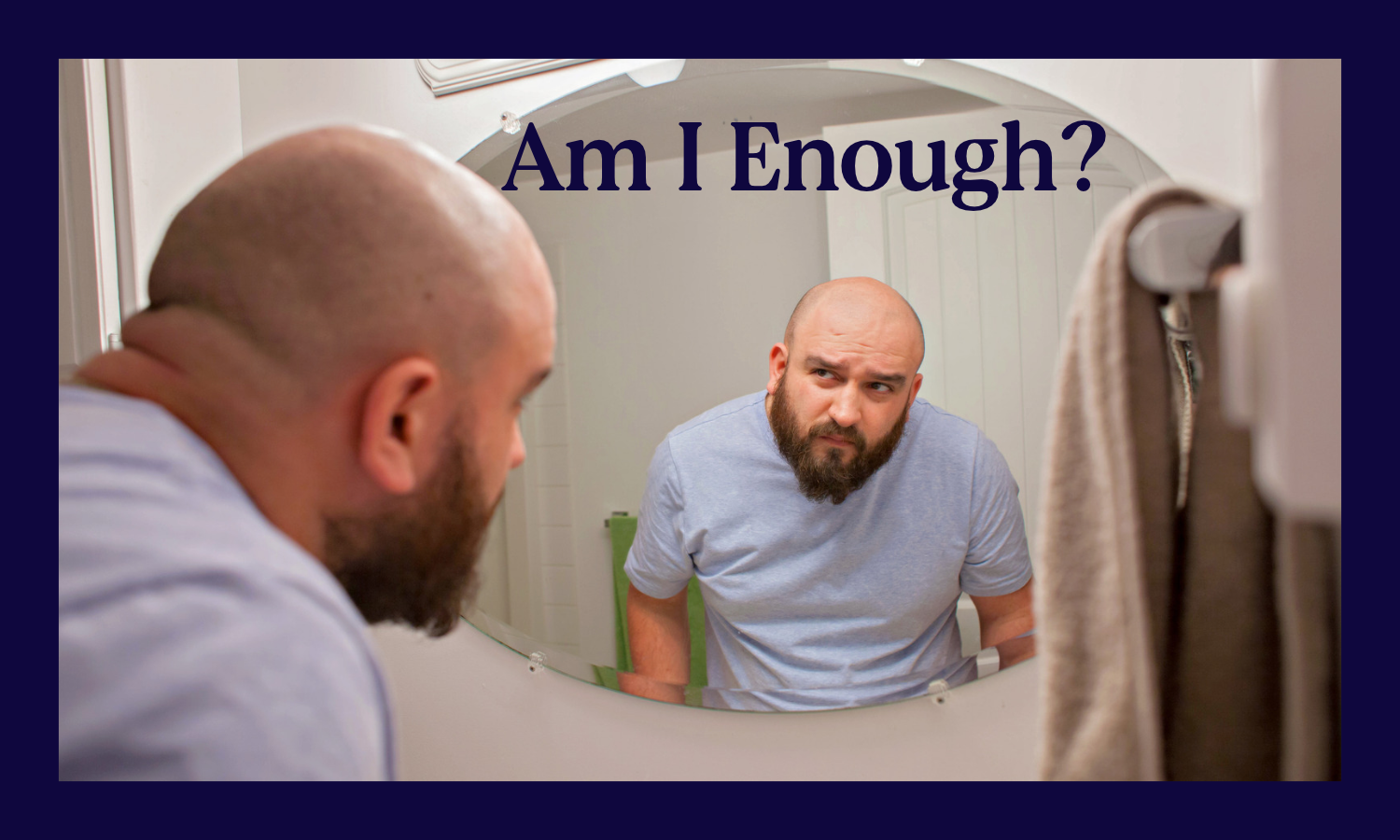
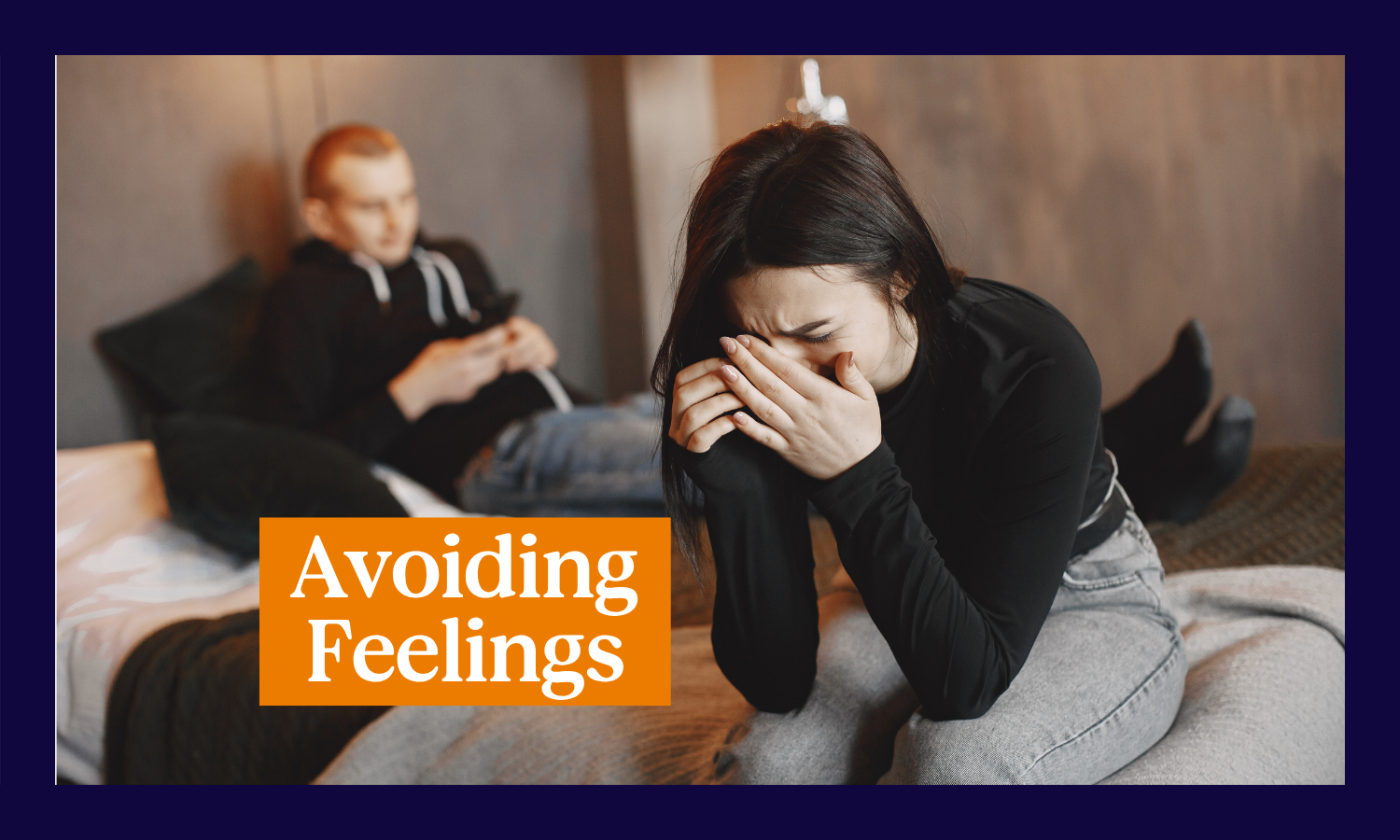
There are a lot of men who genuinely want a close relationship with their partner, yet the moment they are asked, “How are you feeling?” something inside them wants to escape the conversation. The subject changes. A joke gets made. Attention shifts to work, the kids, finances, sports, or what needs to get done tomorrow. Often, it is not because he does not care. It is because emotional conversations can feel unfamiliar, uncomfortable, or even threatening in ways he may not fully understand himself.
Vulnerability Criticized
Many men were never taught how to talk about emotions in a direct way. Growing up, they may have learned that emotions were something to manage privately, push through, or solve quickly. Sadness could be interpreted as weakness. Anxiety might feel embarrassing. Vulnerability may have led to criticism, rejection, or conflict in the past. Over time, avoidance becomes automatic. When a partner asks what is wrong, he may honestly not know how to answer. Sometimes there are feelings underneath the surface, but no language for them yet.
Withdrawing from Partner
The difficult part is that silence inside a relationship is rarely neutral. When a man withdraws emotionally, his partner often feels shut out, dismissed, or alone. Meanwhile, he may feel pressured, misunderstood, or afraid of saying the wrong thing. Both people can end up disconnected while wanting the exact opposite. In many relationships, this creates a cycle where one person pursues conversation harder while the other retreats further. The more pressure there is, the more emotionally unsafe the conversation can begin to feel.
Emotions Don’t Disappear
Avoiding emotions does not make them disappear. More often, emotions show up indirectly. Stress becomes irritability. Fear becomes control. Exhaustion becomes numbness. Hurt becomes distance. Some men tell me they do not feel “emotional,” yet their body says otherwise through tension, headaches, poor sleep, anger, restlessness, or shutting down completely. Emotional avoidance is not the absence of emotion; it is often emotion without expression.
Moving Towards Your Partner
The good news is that emotional openness is a skill that can be developed. It does not require becoming someone completely different overnight. Sometimes the next step is simply slowing down long enough to notice what is happening internally before escaping the conversation. Instead of changing the subject immediately, a man might try saying, “I don’t fully know what I’m feeling yet, but I know something feels off.” That small sentence can create connection without demanding perfect emotional clarity. Some men also find it easier to start with physical sensations (“I’ve been tense all week”) or stressors before moving toward deeper emotions.
Building Emotional Awareness
Another helpful step can be finding ways to engage emotionally that feel less intense or confrontational. Many men open up more naturally while driving, walking, working on something together, or sitting side-by-side rather than face-to-face. Journaling thoughts before a conversation, using feeling-word lists, or speaking with a trusted friend, mentor, or therapist can also help build emotional awareness over time. Emotional connection is rarely built through one massive conversation; it is usually built through many smaller moments of honesty and presence.
Learning to Connect
If you are someone who tends to withdraw when your partner asks how you are feeling, it does not mean you are broken or incapable of intimacy. It may simply mean you learned survival strategies that once protected you but now create distance in relationships that matter deeply to you. Leaning into connection starts with small risks: staying in the conversation a little longer, naming one feeling instead of none, or allowing someone you trust to see more of what is happening beneath the surface. Those moments of openness can feel uncomfortable at first, but they are often the very things that strengthen relationships rather than weaken them.