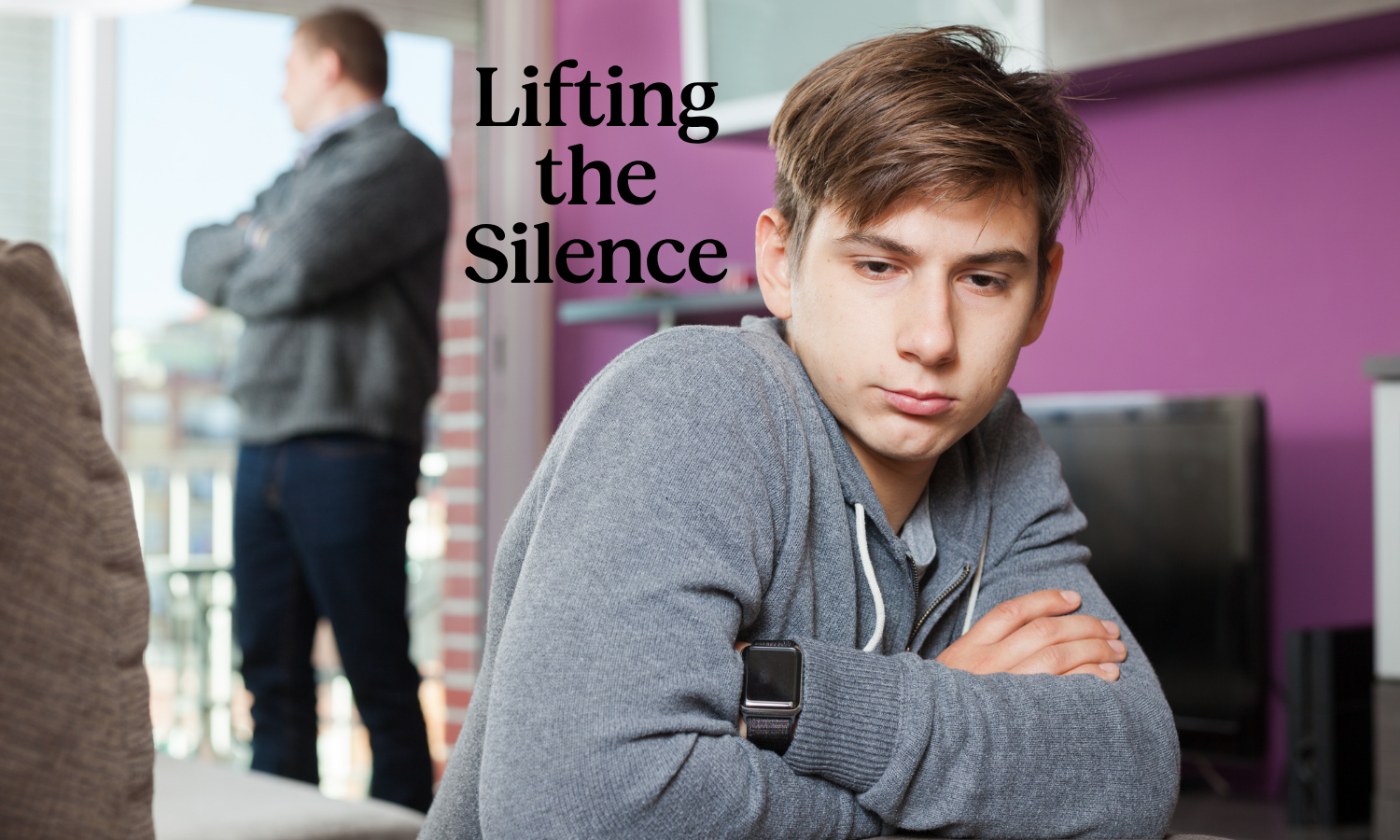
Silence can feel like the safest move in the moment. When something isn’t going well (an argument, disappointment, pressure building) you might find yourself shutting down, going quiet, or pulling away. From the outside, it can look like you don’t care, or that you’re refusing to engage. But often, that silence is doing a job. It’s protecting something that feels too exposed, too overwhelmed, or too at risk of being hurt again.
Silence as Control
For some, silence becomes a form of control: what people might call stonewalling. When emotions start to rise, especially anger or frustration, going quiet can feel like slamming on the brakes before things get out of hand. You might worry that if you say what you’re really thinking, it will come out wrong, or hurt someone, or make things worse. So instead, you say nothing. The intention is often to prevent escalation when you don’t trust yourself to handle what’s happening inside.
Silence as Avoidance
For others, silence is about avoidance. Not because you don’t care, but because you care so much that it feels overwhelming. You might not have the words. You might not even fully understand what you’re feeling yet. When you’ve never been taught how to name or express emotions, speaking up can feel like stepping into a language you were never given; Instead, you retreat. You tell yourself it’s easier not to deal with it, to let it pass, to distract yourself. But what often happens is that the feeling doesn’t go away. It just gets buried, waiting for another moment to resurface.
Silence as Protection
And then there’s the silence that comes from protection. This is the quiet that follows being hurt, maybe repeatedly. When you’ve opened up before and it led to rejection, embarrassment, or feeling misunderstood, your mind learns something important: “Don’t go there again.” Silence becomes armor. It keeps people at a distance. It prevents you from having to feel that same sting. But it also keeps you from being seen, known, and supported in the ways you might actually need.
Creating Distance
The challenge is that while silence can protect you in the short term, it often creates distance in the long term: distance from others, and even from yourself. People around you may start to guess what’s going on, and they often guess wrong. Relationships can feel strained or disconnected. And internally, carrying everything alone can become heavy. What started as a strategy to stay safe can slowly turn into a kind of isolation that’s hard to break out of.
Finding Your Voice
Learning to move beyond silence doesn’t mean you have to say everything all at once, or perfectly. It starts smaller than that. It might look like naming just one piece of what’s going on: “I’m frustrated, but I don’t fully know why yet,” or “I need a bit of time before I can talk about this.” It could mean finding one person who feels safest and practicing being a little more open with them. It might even begin with writing things down for yourself: building the skill of understanding your own emotions before sharing them.
Safely Sharing
If silence has been your go-to, it makes sense. It likely developed for a reason; however, you don’t have to stay there. There are ways to protect yourself and still let yourself be heard. And over time, as you build that skill, you may find that speaking can feel safer than carrying everything alone. We weren’t meant to carry the burden alone. We’re in this together.