
You may be wondering, “How do I know if I actually need therapy?” It’s usually not asked casually. It tends to stem from a place of uncertainty: something doesn’t feel right, but it’s not bad enough to clearly justify reaching out. Many men have been taught, directly or indirectly, that therapy is for when things fall apart. So, you might think if you’re still functioning it can be hard to tell whether what you’re experiencing is something you’re supposed to just push through, or something worth paying attention to.
Does Something Feel “Off?”
One of the simplest ways to begin answering that question is to look at whether something in your life feels persistently off. Not just a bad day or a rough week, but a pattern. Maybe your patience is shorter than it used to be. Maybe you feel disconnected in your relationships or find yourself withdrawing without understanding why. Maybe stress follows you home and doesn’t really let up. Therapy is most effective before an issue reaches crisis level. It’s often most useful when something subtle but steady is wearing you down over time.
Coping Strategies Ineffective?
Another sign is when your usual ways of coping aren’t working like they used to. A lot of men rely on staying busy, problem-solving, distracting themselves, or just pushing through discomfort. These strategies can work in some moments, but they are woefully insufficient at other times. If you notice that the things that used to help you reset or manage stress are becoming less effective or starting to create new problems, it’s time to get support. Therapy can offer a different set of tools when you’ve reached the limits of your current strategies can provide.
Don’t Feel Like Yourself?
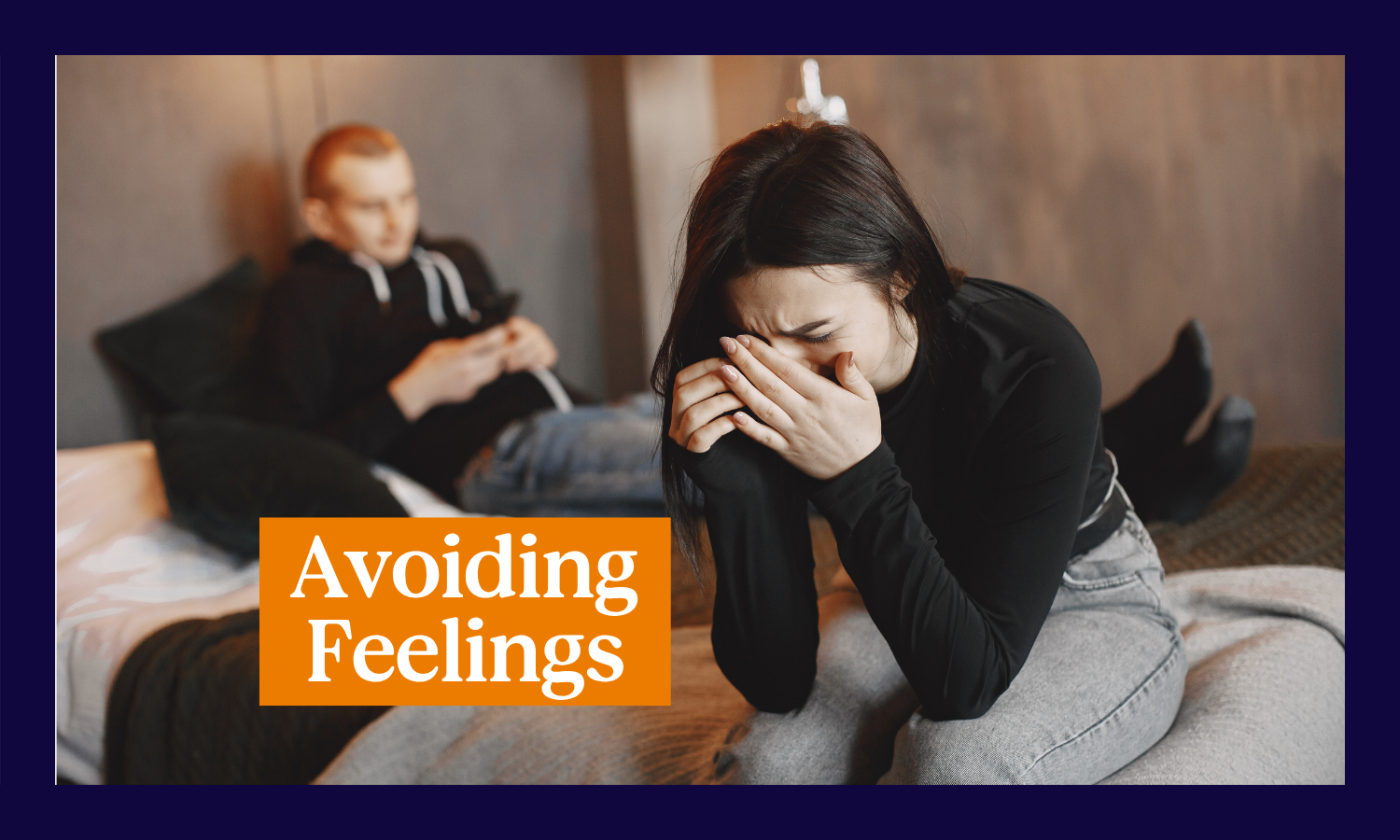
It’s also important to consider what’s happening beneath the surface. Many men I work with don’t initially describe feeling “sad” or “anxious.” Instead, it shows up as irritability, numbness, restlessness, or a constant sense of pressure. You might feel on edge more often or find yourself shutting down emotionally. If you don’t feel like your best self, it may be time to talk to a therapist.
Pulling Away from Relationships?
Relationships can be another signal. If you’re noticing repeated conflict, difficulty communicating, or a tendency to pull away when things get hard, therapy can help you understand those patterns. Not to assign blame, but to make sense of what’s happening and give you more choice in how you respond. Often, men don’t seek therapy because of how they feel internally, but because something in their relationships isn’t working, which is also a valid a reason to come in.
Feeling Unfulfilled?
There’s also a quieter, often overlooked reason: things might be “fine,” but not fulfilling. You might be doing what you think you’re supposed to do but sense a lack of purpose or direction. Therapy isn’t only about fixing problems; it can also be a space to figure out what matters to you, separate from what you’ve been told should matter. That kind of clarity can be hard to find on your own, especially if you’ve spent years prioritizing responsibility over reflection.
Feeling Alone?
Ultimately, you don’t need to prove that you “need” therapy to justify going. A better question might be: “Would it help to have a space where I don’t have to carry this alone?” If something in you is asking the question at all, you may benefit from at least a conversation. Therapy isn’t a last resort: it’s a resource. Choosing to use it doesn’t mean something is wrong with you; it means you’re willing to take yourself seriously.