I want to ask you a question that might land quietly or hit hard: Who are you when no one is watching? Not who you are at work, in appointments, or in social spaces where expectations are clear and unspoken. I mean who you are when the pressure to perform eases, even just a little. When you don’t have to explain yourself. When you don’t have to manage anyone else’s comfort.
Surrounded by Systems
You live in systems that were largely built without you in mind. Workplaces, schools, healthcare, and social norms tend to assume neurotypical ways of thinking, communicating, and regulating. Be consistent. Be efficient. Stay calm. Make eye contact. Don’t be too intense. Don’t be too quiet. Even when no one says these things out loud, you feel them. Carrying these expectations day after day can be exhausting, not because you’re incapable, but because you’re constantly adapting to structures that don’t flex for you.
What Parts are Real?
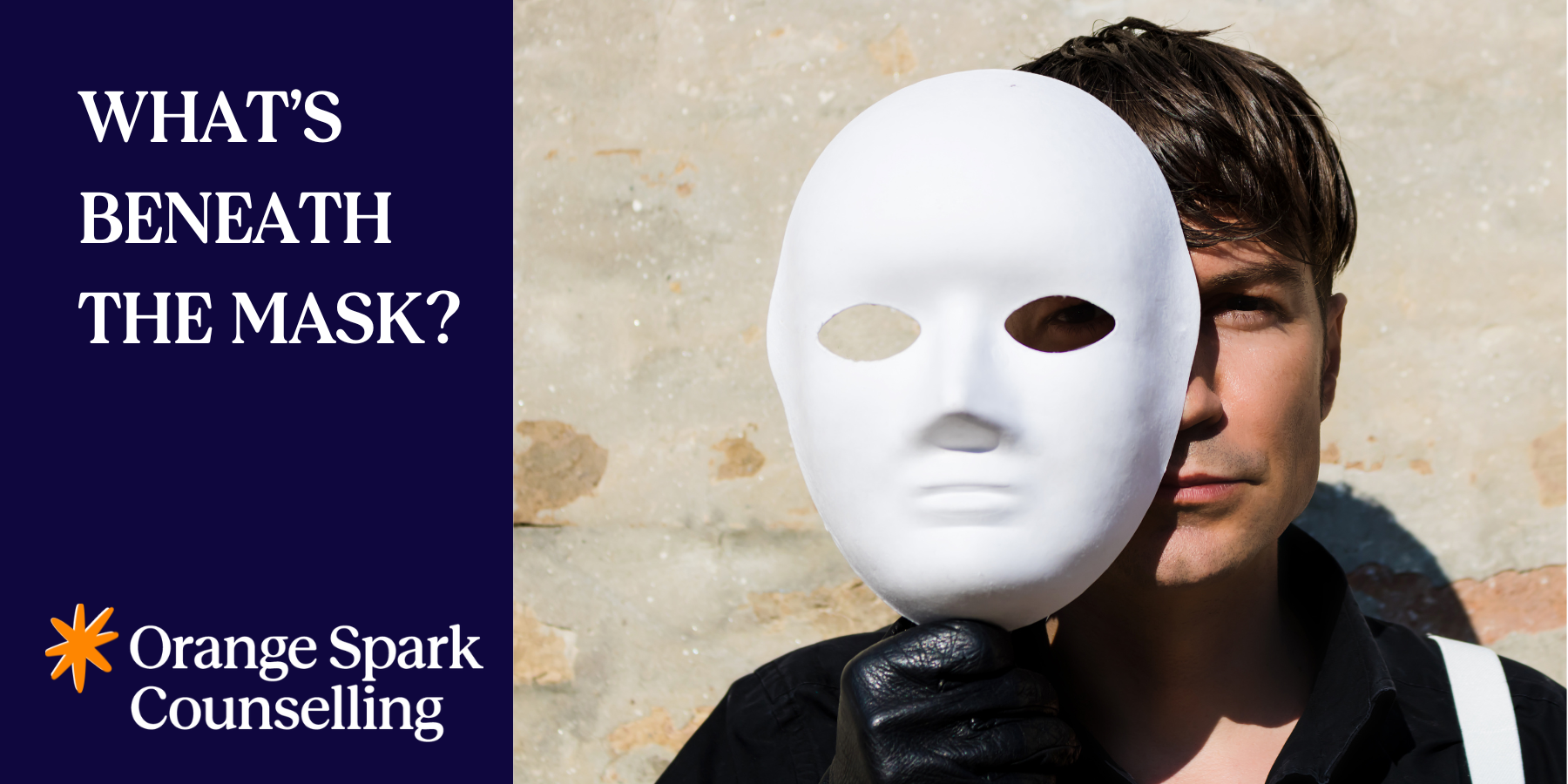
Over time, that effort can blur your sense of self. You may wonder which parts of you are “you” and which parts are strategies you learned to survive. You might feel disconnected from your body, your needs, or your natural rhythms. If that’s true for you, it doesn’t mean you’re broken or lost. It means you’ve been resourceful in a world that asked you to change far more than it was willing to change itself.
So, when no one is watching, what shows up? Maybe you stim, fidget, pace, or go quiet. Maybe you need deep focus, repetition, movement, or long stretches of rest. Maybe your thoughts jump, loop, or dive deeply into one consuming interest. These aren’t things you need to fix. They are ways your nervous system regulates, expresses, and protects itself. Paying attention to them without judgment can be an act of care.
Using Masks Less
You don’t need to earn rest, accommodation, or authenticity. The work isn’t about forcing yourself to fit better into neurotypical-built systems at all costs. It’s about slowly, gently making room for who you really are. This is accomplished privately, with support, and by asking for changes that reduce the need to mask. Healing often starts not with becoming someone else, but with letting the answer to that question exist: This is who I am when no one is watching.