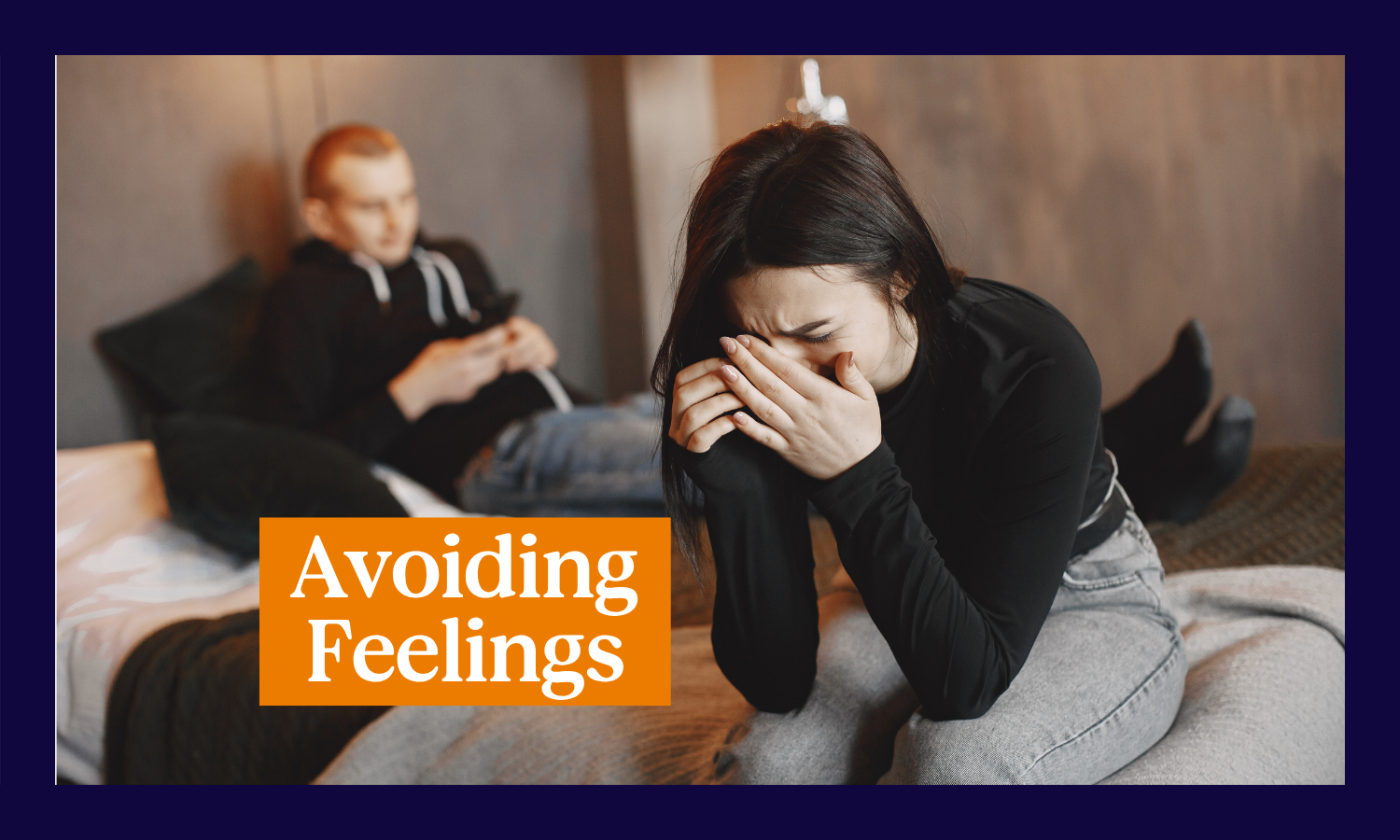

That Anxious Feeling
Many of the men I work with as a therapist describe the same uneasy moment: they finally sit down to rest, and instead of relief, guilt rushes in. The laptop is closed, the phone is quiet, yet their mind is loud with “shoulds.” They should be working later. They should be answering one more email. They should be doing more to prove they deserve their job. For some men, rest doesn’t feel earned: it feels dangerous. As a psychotherapist, I often see how closely rest has become tied to anxiety about worth, security, and identity as a male provider.
Pressure to Perform
In today’s work culture, many men feel pressure to perform well beyond the boundaries of work hours. The fear of potential layoffs and restructuring loom constantly, creating an anxious sense that effort is never quite enough. Even those who might be called workaholics often aren’t driven by passion alone; they’re driven by fear. Fear of being replaced. Fear of being seen as lazy. Fear of letting their family down. When your nervous system is constantly scanning for threat, rest can feel like negligence instead of necessity.
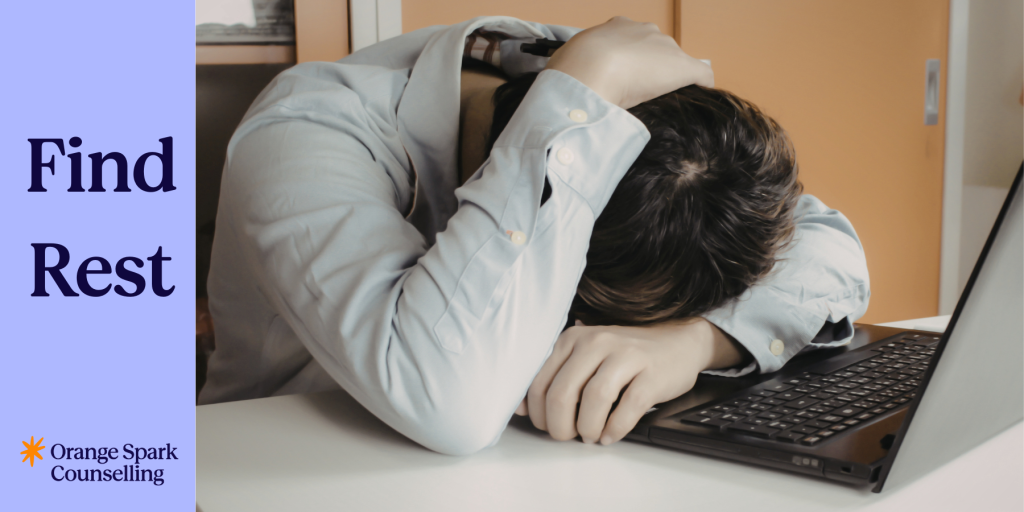
From Fear to Mindset
Anxiety thrives in these conditions. Anxious thoughts tell men that slowing down will cost them something essential: respect, income, stability. Over time, this can harden into a belief that productivity equals value, and exhaustion is simply the price of being responsible. Many male clients tell me they don’t know how to rest without feeling like they’re doing something wrong. Their body may be sitting still, but their mind is braced for impact.
A Perfect Storm
As a therapist, I try to help men see that this guilt isn’t a personal flaw; rather, it’s a learned response to chronic pressure. Rest is not the opposite of commitment; it’s what makes commitment sustainable. Chronic overwork keeps the nervous system in a state of fight-or-flight, which will reduce creativity, focus, and resilience over time. Ironically, the very thing men fear – losing effectiveness or security – is often worsened by never allowing themselves to recover.
Permission to Rest
If this resonates with you, consider starting small. Notice what comes up emotionally when you stop working. Name the anxiety instead of obeying it. Rest doesn’t mean you don’t care; it means you’re human. Your worth as a man, as a male worker, or as a provider was never meant to be measured solely by hours logged or emails sent. Learning to rest without guilt allows you to truly live: whether at work, at home, or in community.