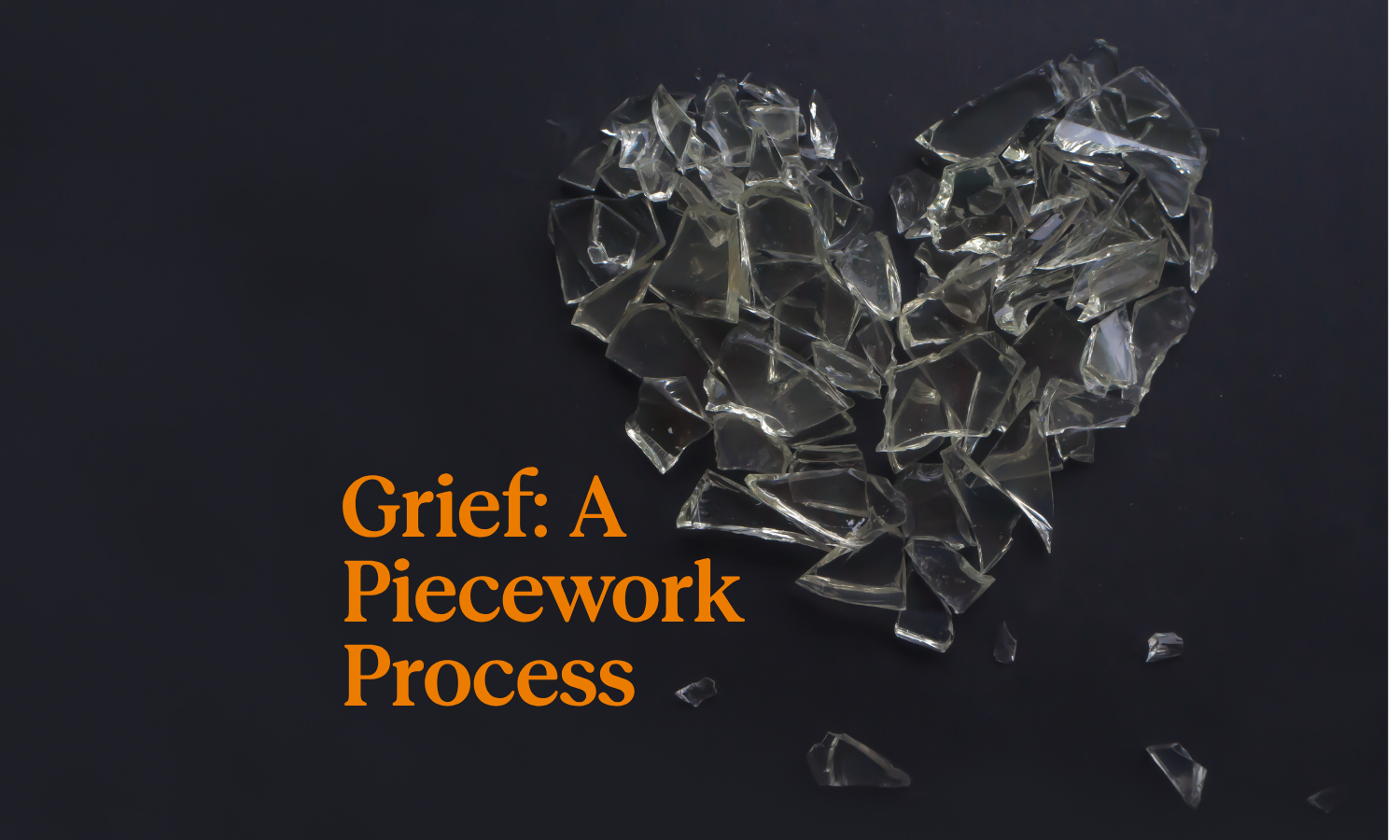
When we think about grief, we often associate it with the death of someone we love, but grief is much broader than that. It can come from the end of a relationship, the loss of a job, a change in our health, a friendship that slowly fades, or the realization that life hasn’t turned out the way we expected. Sometimes, we grieve the person we used to be, the future we thought we would have, or even the opportunities we never got to experience.
The hardest part of grief can be that we don’t lose everything at once. We let go in pieces.
The Small Losses Along the Way
Think about a relationship that has been struggling for some time. There may not be one specific day when everything fell apart. Instead, there are smaller moments when you recognize that something has changed. You stop sharing certain things.
Conversations become shorter. You no longer make the same plans together. Eventually, you realize that the relationship you once knew isn’t there anymore.
Consider someone who has lost their job. The initial shock of unemployment might be difficult, but there are other losses that follow. The daily routine disappears. The conversations with colleagues become less frequent. Financial decisions become more stressful. Perhaps there’s a loss of confidence or a sense of purpose that once came from work, particularly when job searching can be so discouraging.
These smaller experiences can be easy to overlook because they don’t always feel like grief. We might tell ourselves that we’re simply adjusting, moving on, or getting used to a new reality. But each time we recognize that something we valued is no longer part of our lives, we’re letting go of another piece.
Men and the Pressure to Keep Moving
For many men, there can be an expectation that once something is over, it’s time to move on. Get back to work. Stay busy. Look after the family. Find another job. Start dating again. Keep things together.
There is nothing inherently wrong with finding ways to move forward. Having responsibilities and maintaining some routine can be helpful when life feels uncertain, but sometimes, staying busy becomes a way of avoiding the things we haven’t had an opportunity to process.
You might find yourself becoming more irritable than usual, withdrawing from people, struggling to concentrate, or feeling disconnected from things that once mattered. You may not immediately recognize these experiences as grief. Instead, you might think you’re just tired, frustrated, or having a bad stretch.
Grief doesn’t always look like sadness. Sometimes it looks like anger, restlessness, numbness, or a lack of motivation. Sometimes it shows up in the quiet moments when there’s nothing left to distract you.
You Don’t Have to Let Go All at Once
One of the difficult things about grief is that we can feel pressure to reach a point where we’re completely okay with what happened. We want to accept it, make peace with it, and move forward. However, letting go isn’t necessarily one big decision. It often happens gradually.
You might be ready to accept that a relationship has ended but still miss the person you used to talk to every day. You might be comfortable with a career change but still miss the sense of identity that came with your previous work. You might recognize that a particular chapter of your life is over, while still wishing things had turned out differently.
These feelings can exist together. You can be grateful for what you have now and still miss what you had before. You can recognize that a change was necessary and still feel sad about it. You can move forward without pretending that what you left behind didn’t matter.
Part of working through grief is giving yourself permission to acknowledge these different pieces rather than expecting yourself to be finished with the experience.
What Does Letting Go Look Like?
Letting go doesn’t mean forgetting, dismissing, or pretending something wasn’t important. It means gradually finding a way to live with the reality that things are different now.
It can begin with something as simple as acknowledging what you’ve lost. Not just the obvious loss, but the smaller things that have changed along the way. What do you miss? What feels different? What did this experience mean to you? What have you been trying not to think about?
It can also help to talk with someone you trust. You don’t necessarily need advice or someone to tell you how to fix things. Sometimes, having another person listen without judgement gives you the opportunity to make sense of what you’re experiencing.
If grief is affecting your relationships, work, or ability to enjoy everyday life, speaking with a psychotherapist can also provide a space to explore what’s happening. You don’t need to wait until things become unbearable to seek support.
Give Yourself Permission to Grieve
Perhaps one of the most important things to remember is that you don’t have to justify your grief. There isn’t a ranking system for loss, and you don’t need to compare your experience with someone else’s to decide whether it’s significant enough to deserve attention.
You may not have lost everything in one moment. Perhaps you’ve been letting go of pieces of something for weeks, months, or even years. And while other people may not recognize those losses, that doesn’t make them any less meaningful.
So, if you’re finding it difficult to move forward, consider whether there’s something you’re still grieving. Maybe it’s not just what happened, but everything that changed because of it.
You didn’t lose everything at once. You let go in pieces. And it’s okay if putting those pieces down takes some time.